

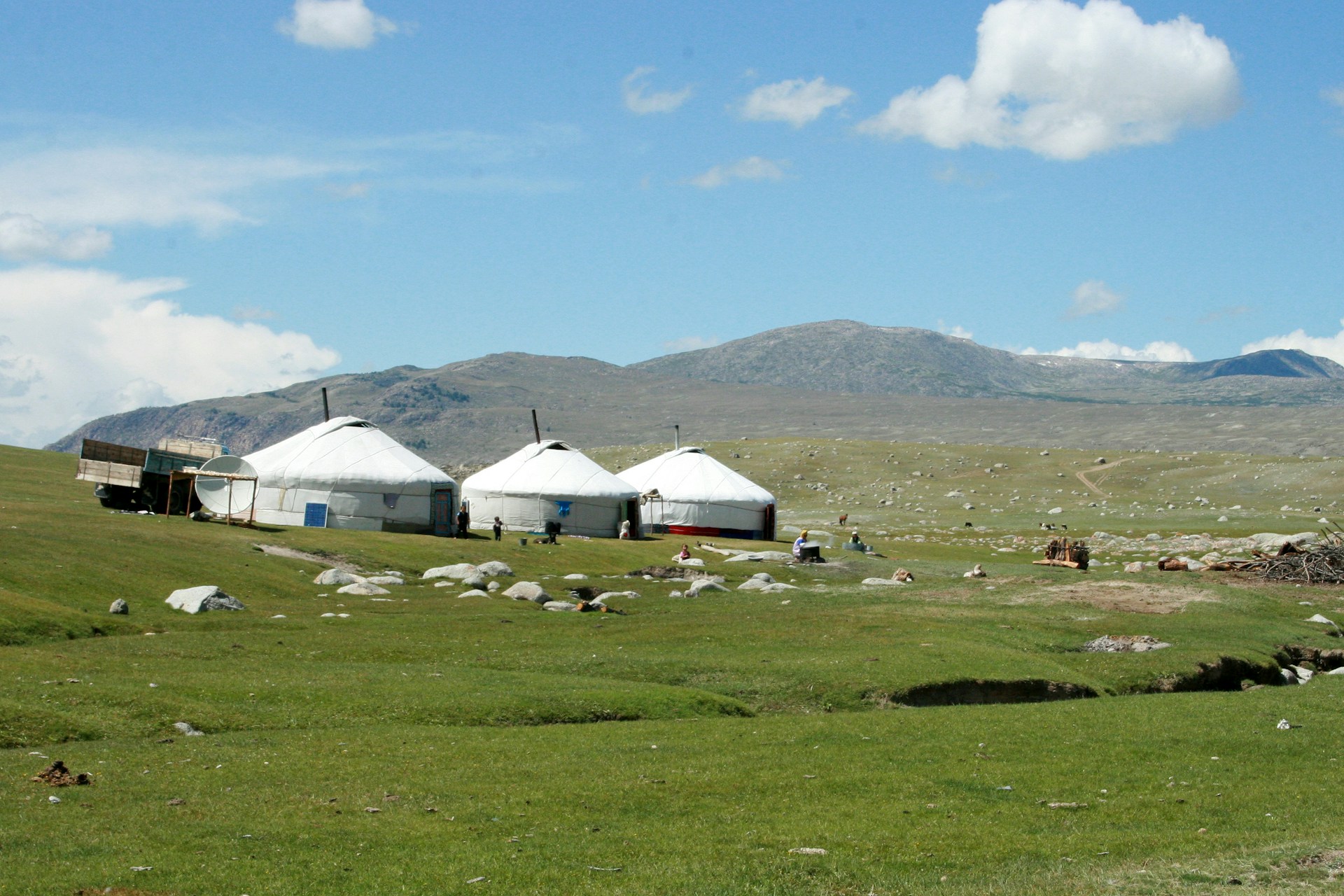
Sustainable tourism is a vital concept in today’s world. It focuses on respecting the environment, culture, and economy of travel destinations while providing meaningful experiences for travelers. A crucial element of sustainable tourism is the active involvement of local communities. When local people participate, they help ensure that tourism development benefits everyone and preserves the unique character of their home. This article explores the multifaceted role local communities play in fostering sustainable tourism.
What is Sustainable Tourism?
Before delving into the role of local communities, it’s essential to understand what sustainable tourism entails. Sustainable tourism aims to minimize the negative impacts of tourism while maximizing its benefits. This form of tourism seeks to protect the environment, preserve cultural heritage, and support the local economy. Key principles of sustainable tourism include:
- Environmental Protection: Ensuring that tourism activities do not harm natural habitats and wildlife.
- Cultural Respect: Maintaining and celebrating local traditions, languages, and customs.
- Economic Benefits: Providing fair economic opportunities for local people.
- Visitor Satisfaction: Offering enriching experiences that foster respect and understanding between visitors and hosts.
The Importance of Local Communities
Local communities are the backbone of sustainable tourism. Their involvement is crucial for several reasons:
- Authenticity and Cultural Preservation: Local communities are the custodians of their culture and heritage. Their active participation ensures that tourism activities respect and preserve their traditions and way of life.
- Economic Empowerment: Engaging local communities in tourism helps distribute economic benefits more evenly. This can reduce poverty and improve living standards.
- Environmental Stewardship: Locals have a deep understanding of their natural environment. Their knowledge and involvement are vital for protecting and conserving natural resources.
- Enhanced Visitor Experience: Tourists seek authentic experiences. Local involvement enriches the tourism experience by offering genuine interactions and insights into local life.
How Local Communities Contribute to Sustainable Tourism
1. Cultural Preservation and Promotion
Local communities play a significant role in preserving and promoting their cultural heritage. They do this through various activities such as:
- Cultural Festivals: Local festivals offer tourists a glimpse into traditional celebrations, music, dance, and food.
- Handicrafts and Art: Selling local crafts and art provides income for artisans and keeps traditional skills alive.
- Guided Tours: Local guides can offer unique perspectives and stories about their heritage and history.
By showcasing their culture, local communities attract tourists who are interested in learning and experiencing something new, fostering respect and appreciation for different ways of life.
2. Community-Based Tourism (CBT)
Community-based tourism is a model where tourism is managed and owned by the community. This approach ensures that the benefits of tourism are distributed fairly among community members. Key features of CBT include:
- Local Ownership: Businesses like homestays, restaurants, and tour companies are owned and operated by locals.
- Community Participation: Decision-making processes involve the entire community, ensuring that tourism development aligns with their needs and values.
- Capacity Building: Training and education programs help community members develop the skills needed to participate in tourism effectively.
CBT not only provides economic benefits but also strengthens social cohesion and community pride.
3. Environmental Conservation
Local communities are often the best stewards of their natural environment. They can contribute to environmental conservation in several ways:
- Sustainable Practices: Encouraging eco-friendly practices such as waste management, energy conservation, and sustainable farming.
- Protected Areas: Establishing and managing protected areas, such as community forests and marine reserves.
- Ecotourism Initiatives: Developing ecotourism projects that highlight the importance of conservation and provide funding for environmental protection efforts.
By involving locals in environmental conservation, tourism can help preserve natural habitats and biodiversity.
4. Economic Opportunities and Job Creation
Tourism provides numerous economic opportunities for local communities. These include:
- Employment: Jobs in hotels, restaurants, tour companies, and transportation services.
- Entrepreneurship: Opportunities to start businesses such as souvenir shops, cafes, and adventure sports.
- Agriculture: Supplying food and other products to the tourism industry.
These economic opportunities can significantly improve the quality of life for local people and reduce migration to urban areas in search of work.
Challenges Faced by Local Communities
While the involvement of local communities in sustainable tourism is essential, it is not without challenges. Some of the key issues include:
- Lack of Resources: Many communities lack the financial and technical resources needed to develop and manage tourism effectively.
- Capacity Building: Education and training are crucial for locals to acquire the skills required in the tourism industry.
- Balancing Interests: Ensuring that tourism development aligns with the community’s needs and values can be challenging.
- Environmental Impact: Managing the environmental impact of increased tourist numbers requires careful planning and regulation.
- Cultural Sensitivity: Tourists must be educated on respecting local customs and traditions to avoid cultural insensitivity and conflict.
Successful Examples of Community Involvement in Sustainable Tourism
Several communities around the world have successfully integrated sustainable tourism practices. Here are a few examples:
1. Maasai Mara, Kenya
The Maasai community in Kenya has embraced community-based tourism by offering cultural tours, traditional performances, and handicrafts. They also participate in wildlife conservation efforts, ensuring that tourism supports both their culture and the environment.
2. Uros Islands, Peru
The Uros people of Lake Titicaca in Peru have developed a unique form of tourism by welcoming visitors to their floating islands. Tourists can learn about their traditional way of life, crafts, and history, providing the Uros with a vital source of income.
3. Costa Rica
Costa Rica is renowned for its ecotourism initiatives, many of which are community-driven. Local communities manage eco-lodges, guided nature tours, and conservation projects, making Costa Rica a global leader in sustainable tourism.
4. Bhutan
Bhutan has adopted a “high value, low impact” tourism strategy, limiting tourist numbers to protect its culture and environment. Local communities are deeply involved in tourism planning and benefit from the country’s unique approach.
Strategies for Enhancing Community Involvement
To maximize the benefits of local community involvement in sustainable tourism, several strategies can be implemented:
1. Education and Training
Providing education and training for local communities is crucial. This can include:
- Hospitality Training: Teaching locals about customer service, food preparation, and accommodation management.
- Guiding and Interpretation: Training locals to become knowledgeable guides who can share their culture and environment with tourists.
- Business Skills: Offering courses on entrepreneurship, marketing, and financial management.
2. Community Participation
Ensuring that local communities have a voice in tourism planning and decision-making is vital. This can be achieved through:
- Consultation Processes: Engaging the community in discussions about tourism development.
- Local Leadership: Encouraging locals to take on leadership roles in tourism projects.
- Collaborative Planning: Working with community members to develop tourism strategies that reflect their values and needs.
3. Fair Distribution of Benefits
Tourism benefits should be distributed fairly among community members. This can be ensured through:
- Revenue Sharing: Implementing mechanisms for sharing tourism revenue, such as community funds or cooperatives.
- Employment Opportunities: Prioritizing local hiring and providing fair wages.
- Support for Local Businesses: Encouraging tourists to buy local products and services.
4. Environmental and Cultural Protection
Protecting the environment and culture is essential for sustainable tourism. This can be done through:
- Sustainable Practices: Promoting eco-friendly practices in tourism businesses.
- Conservation Programs: Supporting community-led conservation initiatives.
- Cultural Sensitivity: Educating tourists about local customs and encouraging respectful behavior.
Conclusion
Local communities are integral to the success of sustainable tourism. Their involvement ensures that tourism development is inclusive, respectful, and beneficial for all. By preserving their culture, protecting the environment, and creating economic opportunities, local communities can help shape a sustainable future for tourism. For sustainable tourism to thrive, it is essential to empower local communities, provide them with the necessary resources, and involve them in every step of the tourism development process. By doing so, we can create a more equitable, respectful, and enriching travel experience for everyone involved.